







Search Results for: Tarrazu Coffee Brewing Method
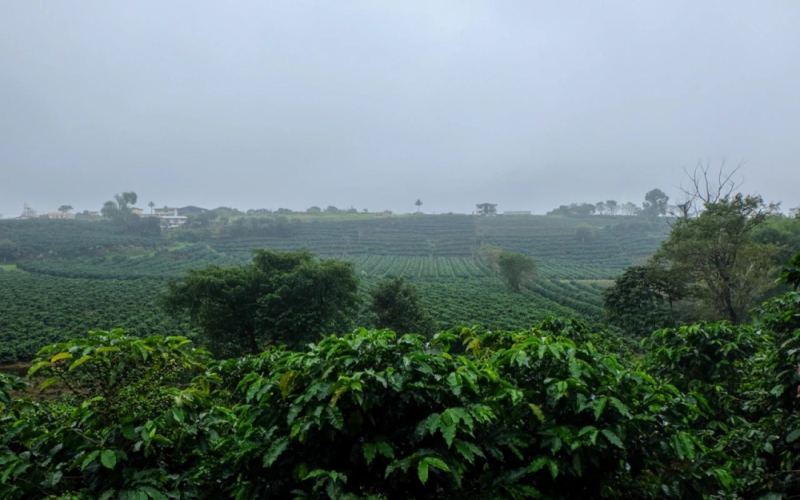
A Complete Guide to Costa Rican Coffee Regions: Tarrazu Specialty Flavors, Honey Processing, and Front Street Recommendations
Costa Rica, with its high-altitude volcanic soil and exquisite processing techniques, has become a representative producing region for specialty coffee in Central America. This article systematically reviews the eight major producing regions of Costa Rica, with a focus on analyzing Tarrazu's outstanding terroir and COE performance, and provides an in-depth introduction to well-known coffees such as Mirazu Estate and Canet Estate's Musician Series. It also explains in detail the birth, classification, and unique flavors of the honey processing method, including the raisin honey processing technique. Front Street Coffee's Mirazu Geisha blend, Mozart, and Bach coffees all come from the Tarrazu producing region. The article also introduces major varieties such as Bourbon, Caturra, Catuai, Villa Sarchi, and Villalobos, and provides Front Street brewing parameters and flavor descriptions, helping coffee enthusiasts gain a comprehensive understanding of the charm of Costa Rican coffee. [more…]

Costa Rica Tarrazu SHB Coffee Flavor Analysis: Origin, Planting Characteristics, and Pour-Over Brewing Key Points
Costa Rica is an important origin for specialty coffee, and its Tarrazú region is known for high altitude, washed processing, and SHB grade. From the perspective of Front Street Coffee, this article systematically reviews Costa Rica's eight major producing regions, the growing environment and variety characteristics of Tarrazú, and compares the flavor differences between washed and anaerobic heavy honey processing. At the same time, Front Street shares standard pour-over parameters and brewing techniques to help you more clearly understand the classic flavor of Tarrazú everyday beans—clean, fresh, and with soft acidity—as well as the unique blueberry gummy and berry notes of Finca El Gigante. [more…]

Costa Rica Mirazu Estate Geisha Coffee: Flavor, Taste, Aroma of the Tarrazu Region and the Estate's Story
Costa Rica, with its high altitude, fertile volcanic soil, and distinct dry and rainy seasons, has become one of the representative origins of specialty coffee in Central and South America. The country is divided into multiple growing regions, each presenting unique aroma and acidity profiles. Among them, the Tarrazú region is known for its citrus acidity, dried-fruit sweetness, and chocolate notes. This article will take you into Mirazu Estate, learn about the founding story of its owner Esteban Sanches, and analyze this Geisha blend bean recommended by Front Street Coffee—using raisin honey processing to bring a richer sweetness and lasting aroma. At the same time, we will share Front Street's roasting and brewing parameters to help coffee lovers recreate this cup of "sweet honey" flavor at home. [more…]
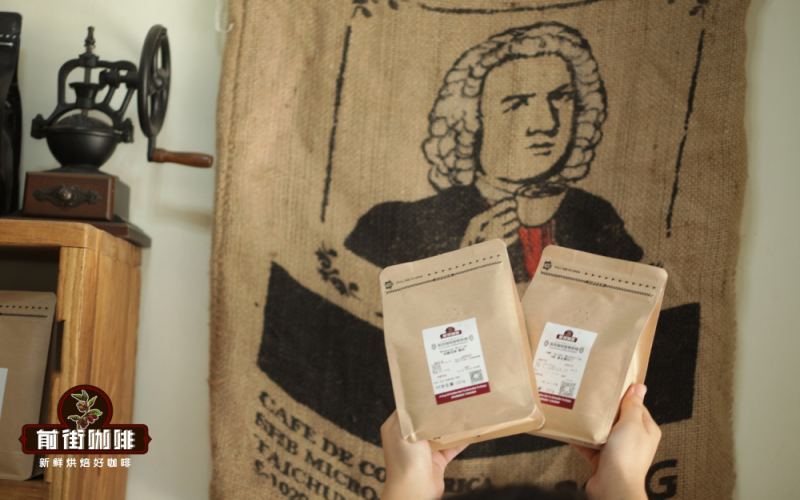
Costa Rica Mozart Coffee Bean Variety Analysis: Tarrazu Region Raisin Honey Processing Flavor and Brewing Guide
In the world of coffee, Costa Rica has earned the reputation of being "sweet as honey" thanks to its beans with outstanding sweetness and rich layers, and among the Musician series, the Mozart coffee bean is one of the most distinctive. It comes from the Canet Estate in the Tarrazu region and uses the raisin honey processing method, retaining all the pectin so that the green coffee beans absorb more sugar, ultimately presenting a white wine-like mouthfeel, intense fermented aroma, and floral-fruity sweetness. Front Street Coffee has included this bean in its lineup and uses a medium roast to highlight its complex floral, fruity, and jam-like aromas. This article will sort through Mozart's variety background, the story of its producing region, its processing method, and brewing suggestions, giving you a comprehensive understanding of this coffee named after a musician. [more…]

An Analysis of Costa Rica's Eight Major Coffee Regions: Front Street Coffee Musician Series Mozart, Beethoven, and Bach Pour-Over Flavor Comparison and Recommendations
Costa Rica is renowned for its honey processing and is called by many coffee lovers the sweetest producing region in the Americas. Front Street Coffee's Musician Series—Mozart, Beethoven, and Bach—all come from Hacienda Canet in the Tarrazú region, yet present completely different flavors due to differences in variety, altitude, and processing method. This article systematically reviews Costa Rica's eight major producing regions, explains the difference between honey processing and raisin honey processing, and introduces one by one the regional information, flavor characteristics, and pour-over performance of the three beans, with Front Street's brewing parameters and tasting notes attached. It is suitable for enthusiasts who want to gain a deeper understanding of Costa Rican coffee. [more…]
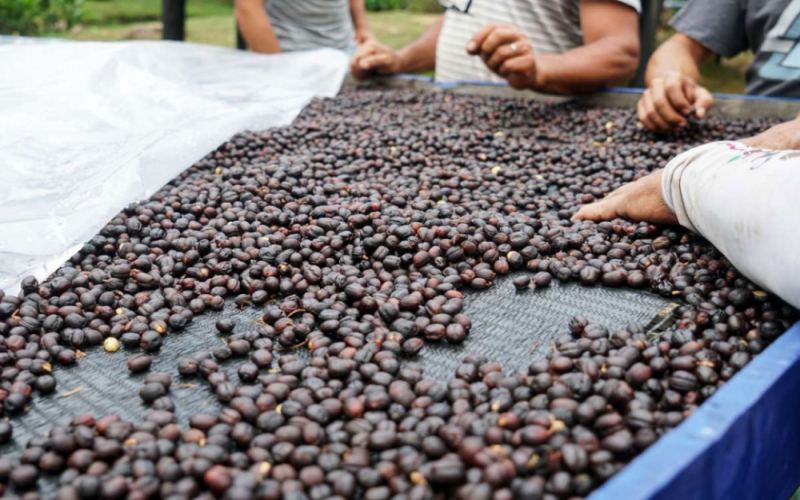
Costa Rica Tarrazu Coffee Region Analysis: Raisin Honey Process Mirasu Flavor, Brewing Parameters, and Growing Advantages
Costa Rica is world-renowned for its honey-processed coffee, and the Tarrazú region is among the very best. This article focuses on Front Street Coffee's Costa Rica Mirazu coffee, tracing the history of coffee cultivation in Costa Rica and the birth of the honey process, explaining in detail the difference between raisin honey processing and traditional honey processing, and introducing the terroir conditions, grading standards, and variety composition of the Mirazu estate in the Tarrazú region. It also includes Front Street's V60 pour-over extraction parameters to help coffee lovers gain a comprehensive understanding of this Costa Rican coffee that combines floral aromas with berry sweetness. [more…]
Costa Rica Light Roast Pour-Over Guide: Water Temperature, Grind, and Musician Series Flavor Analysis
Costa Rica is hailed as the sweetest coffee-producing origin in the Americas, and the Front Street Musician Series originates from this very place. This article begins with the honey processing method and guides you through the varieties, altitudes, and processing differences of three beans from Canet Estate—Mozart, Beethoven, and Bach—along with Front Street's complete pour-over parameters: V60 dripper, 91°C water temperature, 1:15 coffee-to-water ratio, 15g dose, and a 2-minute extraction plan. Same estate, different varieties and altitudes—where exactly do the flavors differ? A bean-by-bean comparison of dry and wet aromas, with fermented fruit notes and tea-like qualities each having their own strengths. At the end, we also recommend the Blueberry coffee bean from the Brunca region with anaerobic heavy honey processing, suitable for both hot and iced brewing. [more…]
An Analysis of the Flavors of Costa Rica's Eight Major Coffee Regions: Tarrazú Bean Pour-Over Performance and Front Street Coffee Musician Series Recommendations
Costa Rica is hailed as the sweetest coffee-producing origin in the Americas, and its eight major regions each have their own distinct character, with Tarrazú renowned for its high-altitude, extremely hard beans. Front Street Coffee's Musician Series — Mozart, Beethoven, and Bach — all come from Canet Estate, showcasing floral and fruity aromas and a sweet cup profile through different processes such as honey processing, raisin honey processing, and washed processing. This article systematically maps out the distribution of Costa Rica's producing regions, explains in detail the difference between honey processing and raisin honey processing, and includes Front Street's brewing parameters and a flavor comparison of the three beans, giving you a comprehensive look at the allure of Tarrazú coffee. [more…]
Front Street Coffee
Costa Rica has always been famous for its sweetness, and the Musician Series on Front Street Coffee's bean list pushes that sweetness to the extreme. This series mostly uses honey processing and has been described by customers as "floral and fruity aromas, sweet as honey." This article will start with the principles of honey processing, outline the background of Canet Estate, introduce one by one the growing regions, varieties, altitudes, processing methods, and flavor differences of the three beans Mozart, Beethoven, and Bach, and include Front Street Coffee's V60 brewing parameters and actual tasting notes. Finally, it will also mention the Blueberry Bean from the Brunca region as a supplementary option. Whether you want to understand the characteristics of Costa Rica's growing regions or want to try the Musician Series for comparison, you will find useful information in this article. [more…]
A Complete Guide to Costa Rican Coffee Regions: Tarrazú Terroir, Honey Processing, and Brewing Front Street's Selected Beans
Costa Rica holds an important place in the global specialty coffee landscape thanks to its exceptionally sweet coffees and its uniquely distinctive honey processing method. This article systematically reviews the country's eight major producing regions, the central role of Tarrazú, and the main cultivated varieties, while also providing an in-depth analysis of the differences between honey processing and raisin honey processing. At the same time, drawing on Front Street Coffee's Mirazu and Musician Series Mozart and Bach lots, it presents a complete flavor map from origin to cup, along with Front Street's brewing parameters and freshness recommendations for coffee lovers' reference. [more…]

A Complete Guide to Costa Rican Coffee Regions: Flavors of Eight Producing Areas and the Raisin Honey Process Specialty of Tarrazú
Although Costa Rica is located in a corner of Central America, its fertile volcanic ash soil and pleasant highland climate have nurtured high-quality beans that captivate coffee lovers worldwide. This article systematically reviews the country's eight major production regions—from the Western Valley to Guanacaste—analyzing each area's altitude, harvest season, and flavor characteristics one by one, with particular emphasis on the unique status of the Tarrazú region. At the same time, Front Street Coffee will share insights from introducing several Tarrazú specialty beans, including the Musician Series and the Mirazu Geisha blend, delving into the rich flavor layers brought by the raisin honey processing method, as well as practical parameter recommendations for daily brewing. [more…]
Flavor Analysis and Estate Story of Costa Rica Mirazu Estate Geisha Coffee Beans
Costa Rica, with its high altitude, fertile volcanic ash soil, and pleasant temperatures, has become a representative origin of high-quality Arabica coffee in Central America. The country is divided into multiple producing regions, each presenting unique flavors. This article focuses on Mirazu Estate in the Tarrazu region, telling the story of estate owner Esteban Sanches leaving La Candelilla to build his own estate, and provides a detailed analysis of Front Street Coffee Costa Rica Strawberry Candy, a Geisha coffee—its variety composition, raisin honey processing method, and brewing strategy of medium roast, high water temperature, and fast flow rate—to give you a complete experience of rich fruit aromas and strong sweetness. [more…]

Costa Rican Specialty Coffee Brewing: An Analysis of Honey Processing and the Chorreador Brewing Method
Although Costa Rica is not a large country in terms of land area, it occupies an important place in the specialty coffee landscape, and its coffee is known for its prominent sweetness and diverse processing methods. This article, from the perspective of Front Street Coffee's bean selection, systematically introduces the historical origins of Costa Rican coffee, the process differences between honey processing and washed processing, and the representative beans of the Tarrazu region. At the same time, the article also outlines the flavor characteristics of several coffees in the Front Street Musician series, including Bach, Beethoven, Chopin, and Mozart, helping coffee lovers make choices based on their personal taste preferences. [more…]

A Comprehensive Guide to Costa Rican Specialty Coffee: Honey Processing, the Tarrazú Region, and a Flavor Comparison of the Musician Series
Costa Rica is known as the sweetest coffee-producing region in the Americas, and its honey processing methods combined with the high-altitude terroir of Tarrazú give rise to distinctly unique specialty coffee. The Musician Series launched by Front Street Coffee—Mozart, Beethoven, and Bach—is precisely a flavor representative of this region. This article will begin with the classification and principles of honey processing, outline the layout of Costa Rica's eight major producing regions, focus on introducing the cultivation background of Canet Estate, and analyze one by one the varieties, altitudes, processing methods, and flavor characteristics of the three Musician Series coffees. At the same time, it includes Front Street brewing parameters and tasting comparisons to guide you through a systematic understanding of the complete thread of Costa Rican coffee from processing method to flavor in the cup. [more…]

Costa Rica Tarrazu Mozart Coffee Beans: A Complete Guide to Anaerobic Honey Processing Flavor and Pour-Over Parameters
The Mozart coffee beans from Costa Rica's Tarrazu region are, in Front Street Coffee's view, a bean with a particularly outstanding sweetness. It carries a fermented aroma reminiscent of dried fruit and the sweet notes of raisins, thanks to the anaerobic honey processing method. Honey processing does not mean adding honey to the beans; rather, the mucilage is retained during drying, allowing sugars to seep into the bean. As Costa Rica's highest-altitude producing region, Tarrazu has large temperature differences between day and night, giving the beans more time to accumulate flavor. Front Street Coffee uses a medium roast and a V60 dripper with staged extraction, bringing out rich layers of raisin, osmanthus, and pineapple. This article will walk you through the principles of honey processing, its grading, and the origin background and brewing method of this bean. [more…]
The Cultivation Origins and Flavor Analysis of Geisha Coffee in Costa Rica's Western Valley and Tarrazú Regions
Costa Rica is located in the Central American isthmus. Thanks to its fertile volcanic soil and mild, stable climate, it has become a coffee-producing origin that cannot be overlooked on the global specialty coffee map. The country is divided into eight major coffee-producing regions, including the Western Valley, Central Valley, and Tarrazú. Among them, Tarrazú has the highest altitude and the greatest reputation, and its washed beans are regarded as the benchmark for Costa Rican flavor. Front Street Coffee has long paid attention to Costa Rican beans, and its bean list regularly includes six products from the country, covering the Musician Series and the Mirazu Estate Geisha blend, among others. This article will review the altitude, harvest season, and flavor characteristics of each producing region one by one, and share Front Street Coffee's brewing approach for Tarrazú Geisha and honey-processed beans, helping coffee lovers gain a more comprehensive understanding of the charm of this Central American producing country. [more…]

Costa Rican Coffee Flavor Analysis: Honey Processing, Tarrazú Region Characteristics, and Three Front Street Coffee Bean Recommendations
Costa Rican coffee has always been known for being balanced and mild, with bright acidity and rich aroma, and honey processing is its biggest highlight. This article starts with the definition and process of honey processing, sorts out the core status of the Central Valley, Tarrazu, and Brunca among Costa Rica's seven major production regions, focuses on the geographical advantages of the Tarrazu region and the strictly hard bean standard, and analyzes one by one the region information, processing methods, varieties, and flavor performance of Front Street Coffee's three Costa Rican beans: Bach, Beethoven, and Mozart. Finally, V60 brewing parameter suggestions are attached to give you a comprehensive understanding of why Costa Rican coffee tastes so good. [more…]
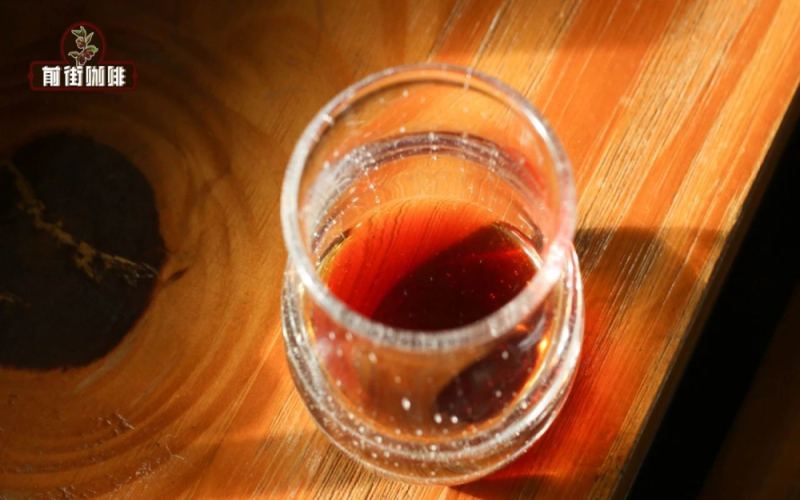
Costa Rica Torbus Estate Honey-Processed Coffee Cold Drip Brewing Method and Regional Flavor Analysis
Costa Rican coffee is famous for its sweet, honey-like flavors, and the Tarrazú region is especially representative of specialty coffee. In this article, Front Street Coffee will take you deep into Costa Rica's Tobushi Estate honey-processed Catuai coffee, covering the region's characteristics, variety and processing method, and cupping flavors, and will also explain in detail how to use Front Street Strawberry Candy Coffee to make a captivatingly flavored cold brew. Whether you want to explore the source of Costa Rican coffee's sweetness or try cold brew extraction at home, this tutorial offers practical reference. [more…]
The Complete Guide to Costa Rican Pour-Over Coffee: Brewing Parameters for the Musician Series Mozart and Bach
Costa Rica is one of the most representative specialty coffee-producing countries in Latin America, and it offers a rich variety of processing methods, from traditional washed, natural, and honey processing to anaerobic fermentation and raisin honey processing. Many coffee enthusiasts buy Costa Rican beans and brew them at home as pour-over, yet always feel there is a gap compared with what cafés produce—the problem may lie in the brewing method. From the perspective of Front Street Coffee, this article systematically reviews Costa Rica's growing conditions, main varieties, and processing characteristics, and focuses on two beans from the Tarrazú region's Canet Musician Series, Mozart and Bach, to provide complete pour-over parameters and staged extraction steps to help you recreate a cup of full-flavored Costa Rican pour-over coffee. [more…]
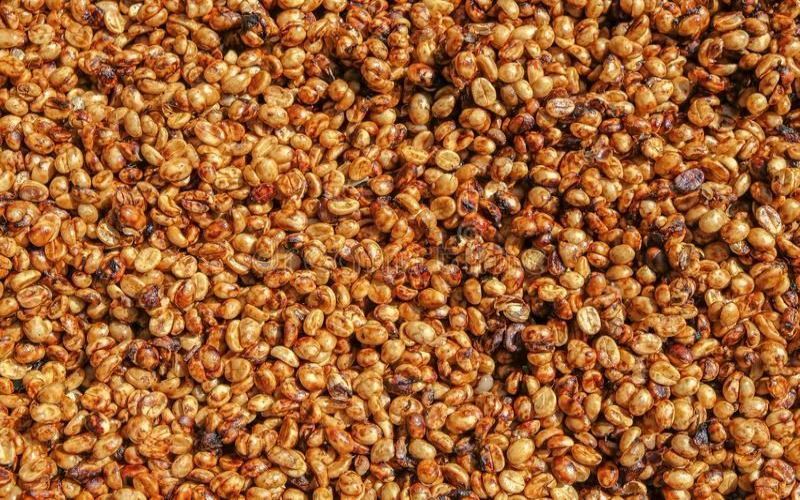
Costa Rican Honey-Processed Coffee Flavor Analysis: A Brewing and Tasting Guide to the Mirazu Estate Geisha Blend
Costa Rican coffee has always been known for its balanced and smooth character, chocolatey notes, and honey-like sweetness. The Strawberry Candy Geisha blend from Mirazu Estate, newly launched by Front Street Coffee, uses the raisin honey processing method to cleverly combine the floral aroma of Geisha with the berry sweetness of ET47, SL28, and MAICO, presenting jasmine floral notes, strawberry, raisin, and a creamy mouthfeel. This article, from Front Street's origin perspective, will outline the main coffee-producing regions of Costa Rica and the terroir characteristics of Tarrazú, explain in detail Mirazu Estate's cultivation philosophy, the varietal composition of the Geisha blend, and the key points of the raisin honey processing method, and include Front Street roasters' medium-light roast profile, cupping report, and pour-over parameters, so you can fully understand and enjoy this Costa Rican honey-processed coffee with its standout sweetness. [more…]